Two Weeks in Latvia:
A Mission to Help Ukraine’s Brave Soldiers.

Two weeks are not enough.
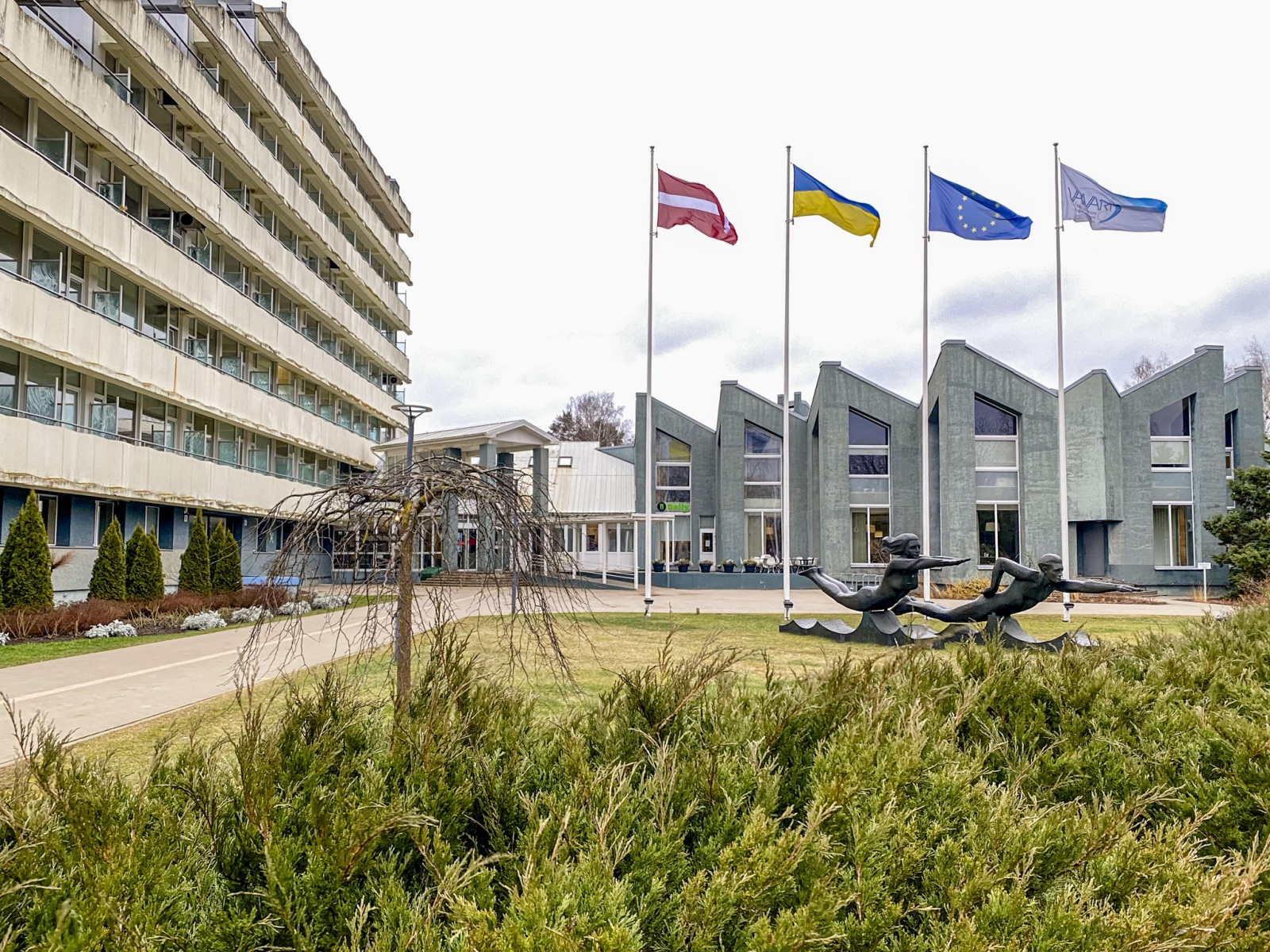
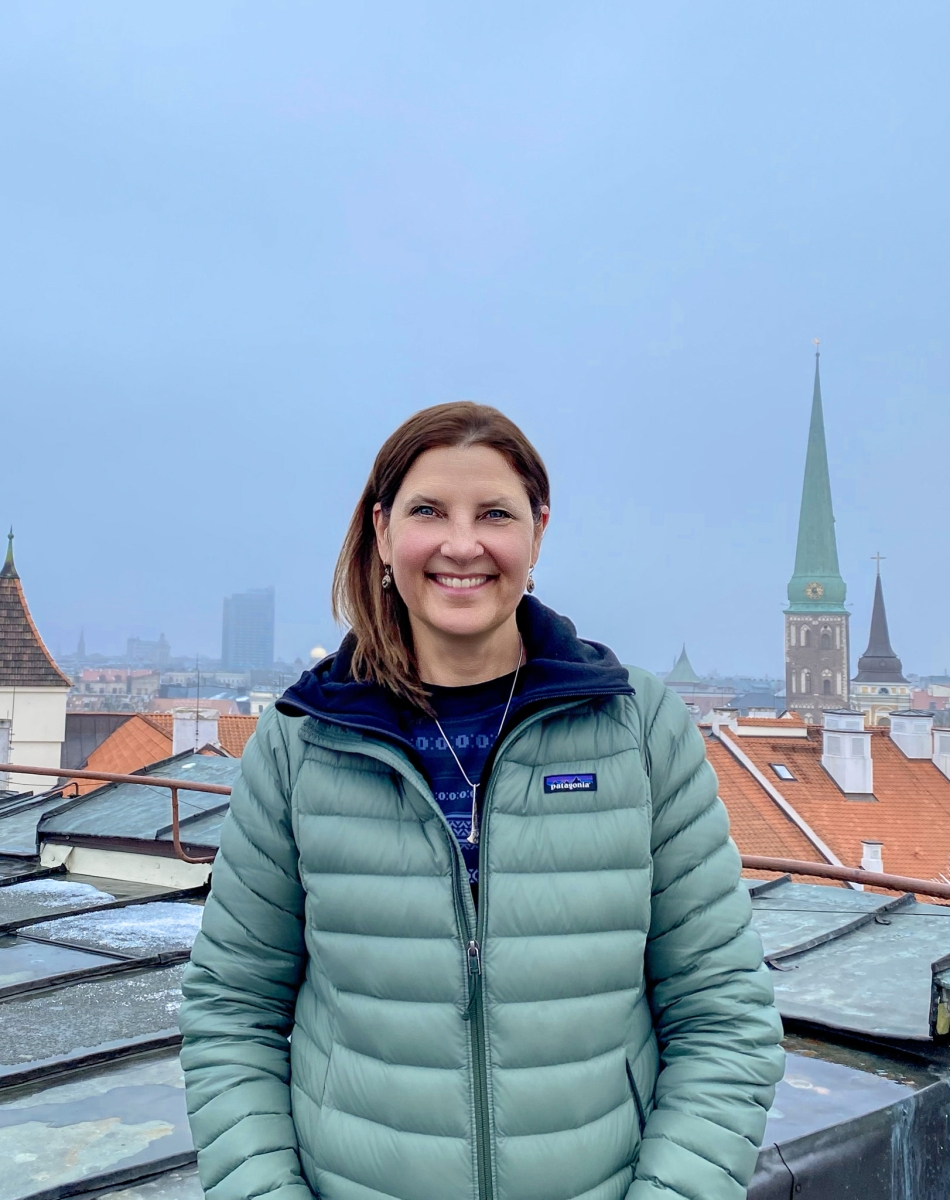
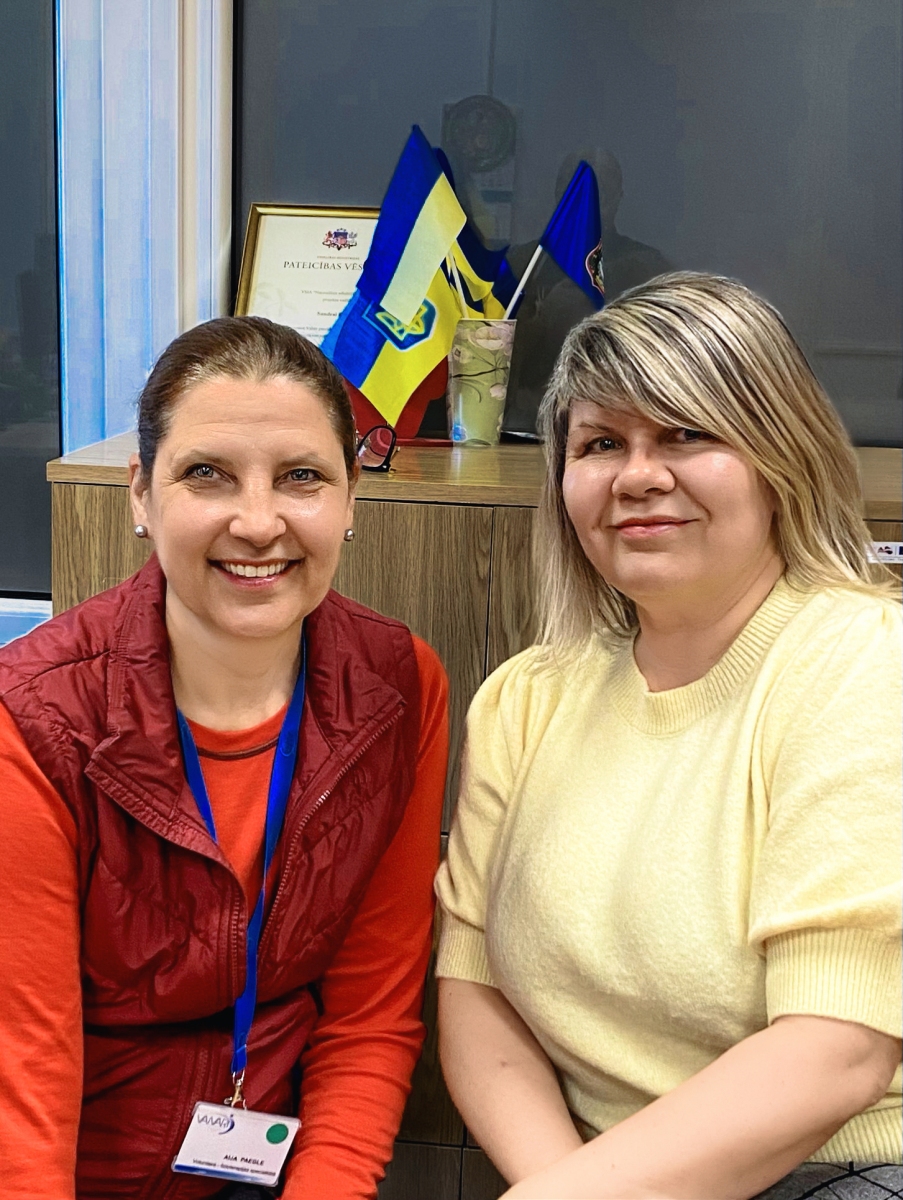
From February 24 to March 9 of this year, I volunteered as a physical therapist at Latvia’s National Rehabilitation Center “Vaivari” to work with Ukrainian soldiers wounded on the frontlines.
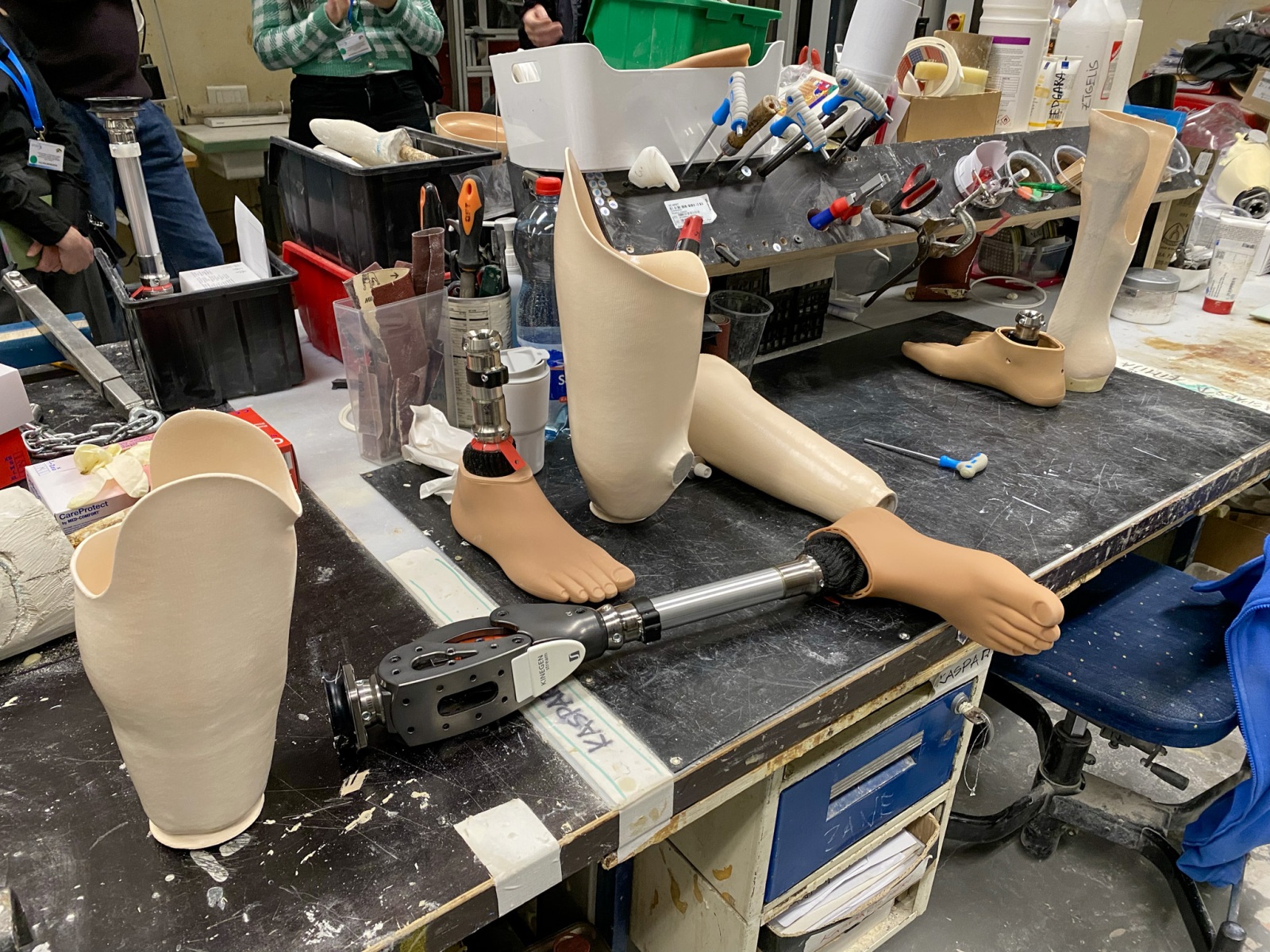
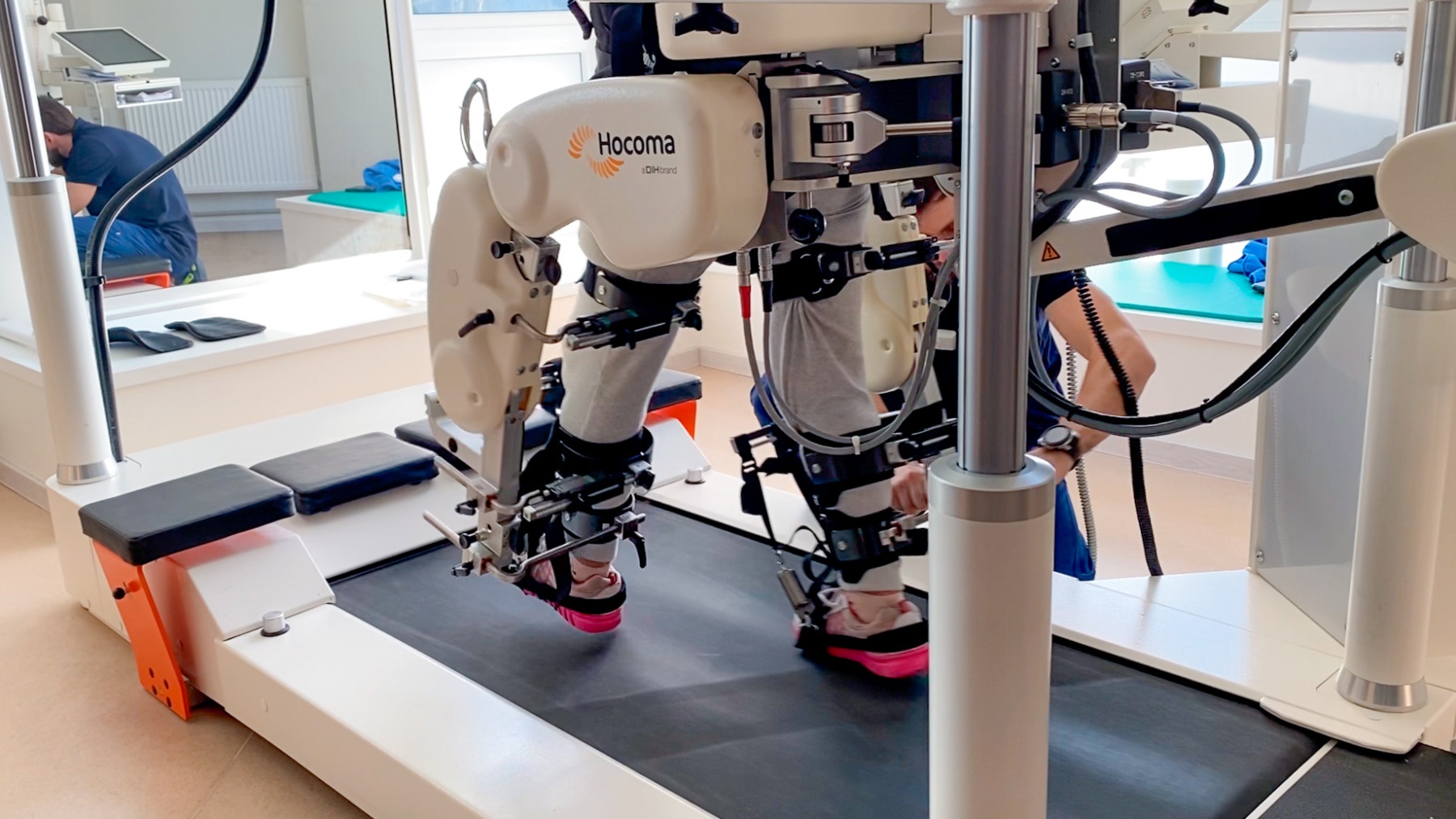
These two weeks were intense – filled with listening, adapting, and problem-solving alongside Latvian and Ukrainian medical teams. I was able to provide over 40 hours of therapy, focused primarily on amputee care: strengthening, wound management, and preparing for new prostheses.
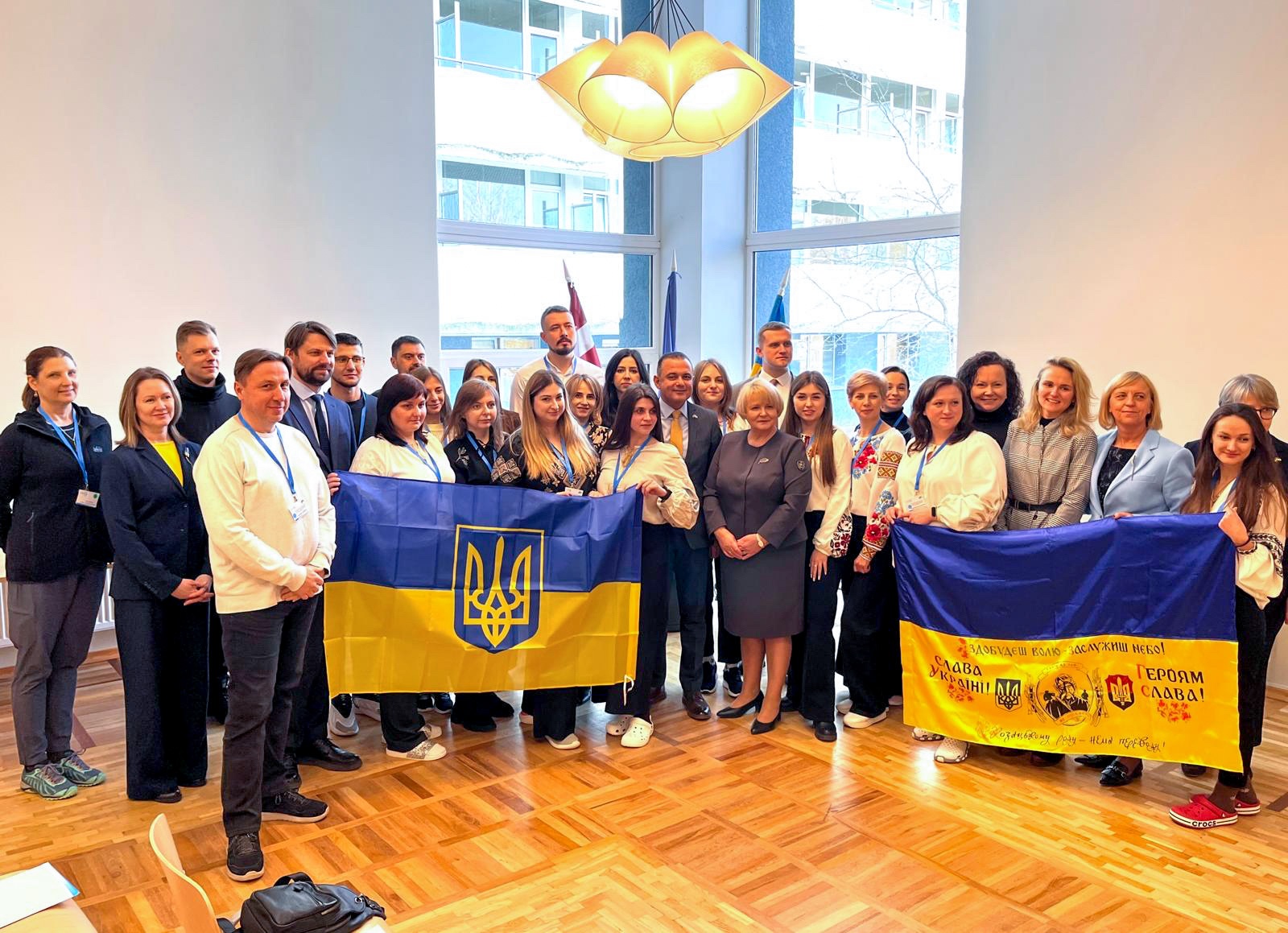
To begin the mission, Sandra Erdmane, Director of Vaivari’s Education and Research Department, made it possible for me to join a professional exchange with Ukrainian medical providers – physicians, nurses, physiotherapists, and psychologists – who were there for four days to learn how rehabilitation for Ukrainian soldiers is organized in Latvia. Vaivari is one of several rehabilitation centers the Ukrainians are studying across the globe to build a whole new type of center especially for Ukraine, one they referred to as the “Center of Excellence,” to serve the country’s wartime and post-war needs.
We listened as the Ukrainian team described the urgent need to build expertise – expertise that doesn’t yet exist – to treat injuries caused by new types of weapons. Complex battlefield injuries like acoustic concussion, caused by extreme blasts, are difficult to diagnose. These injuries can scramble movement patterns and organ function just as easily as they impair hearing. I was constantly amazed by the Ukrainians’ resolve to push for new solutions – through honest discussion, active debate, and shared commitment to raising the level of care for soldiers rehabilitating across both systems.
I was teamed with Vaivari’s lead physical therapist for amputees, Eļdars. I expected the work to be hard – and it was – but that expectation shifted the moment we entered the room of two newly arrived soldiers.
“Dobri ranok! Good morning! What are we doing today? We’re ready!”
Their smiles. Determined eyes – emotional, physical, and resolute – were both powerful and purposeful. And despite not knowing each other before arriving in Latvia, they were tight, cheering each other through recovery. The only time I saw sadness was when a soldier’s roommate was discharged home early. Somehow, their patience and courtesy never once revealed the weight of the news from abroad.
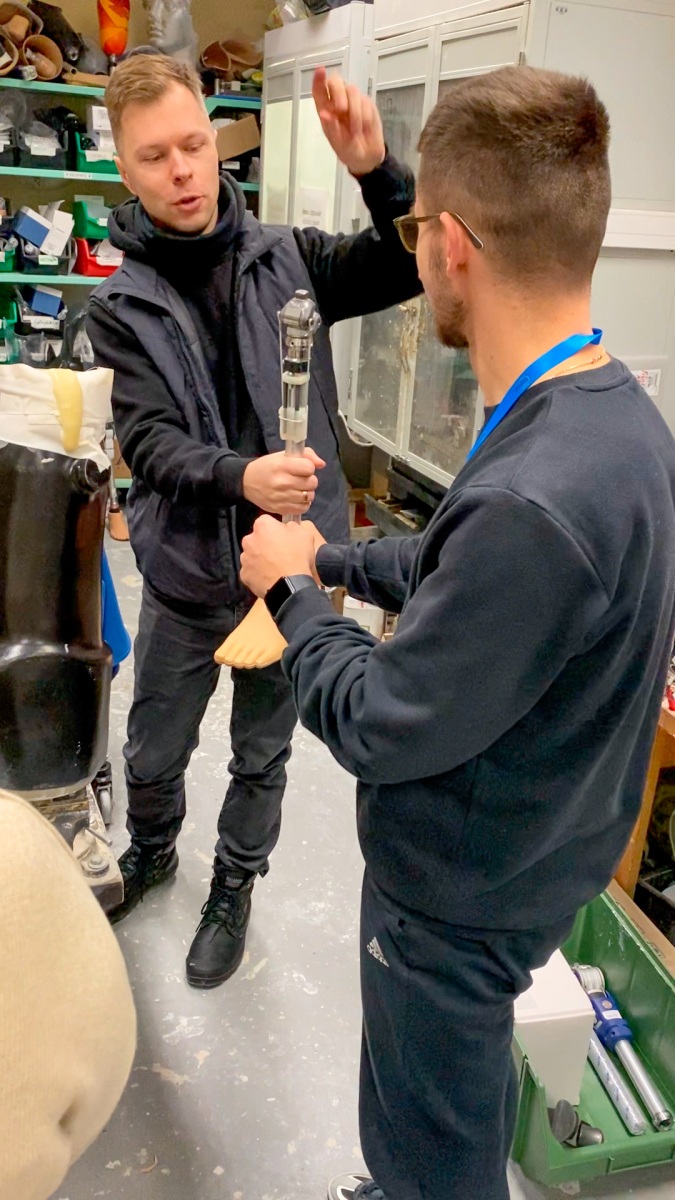
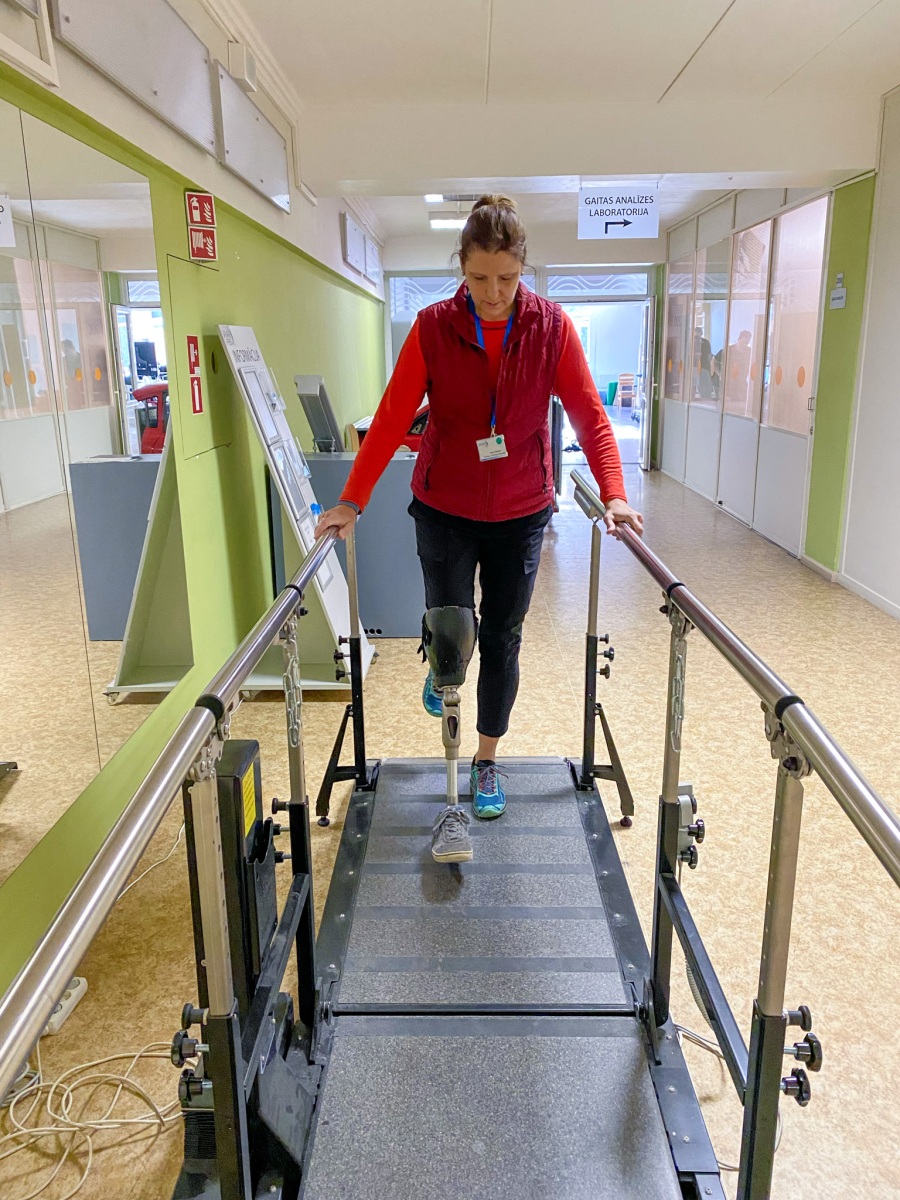
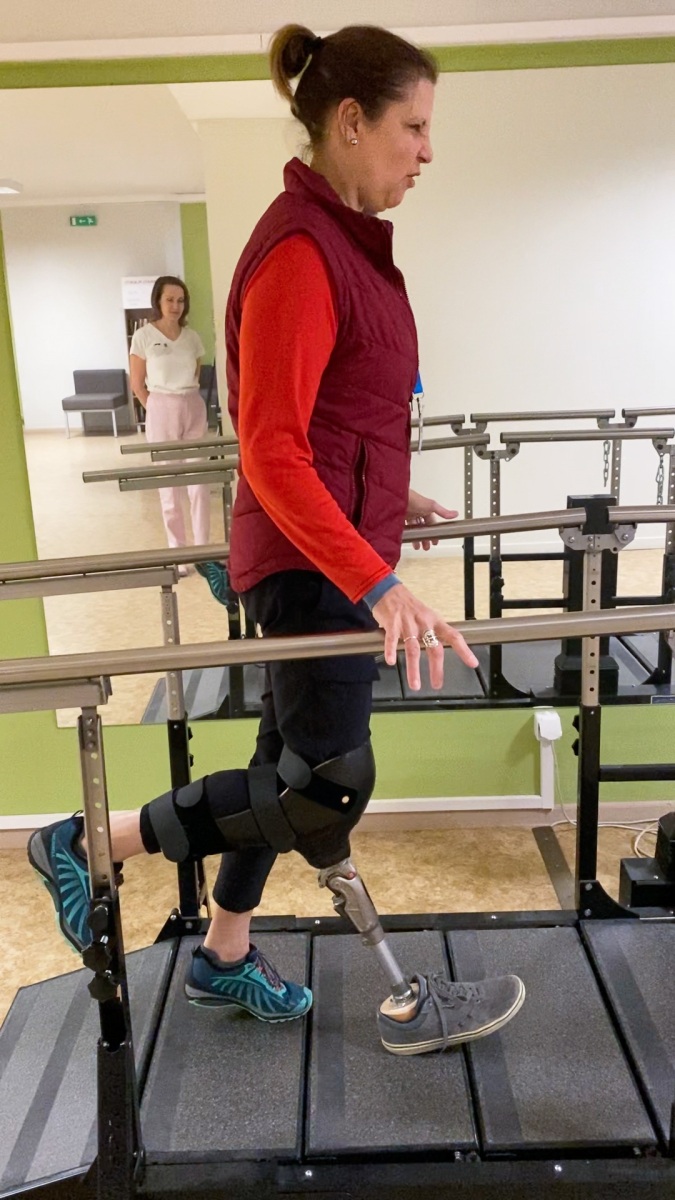
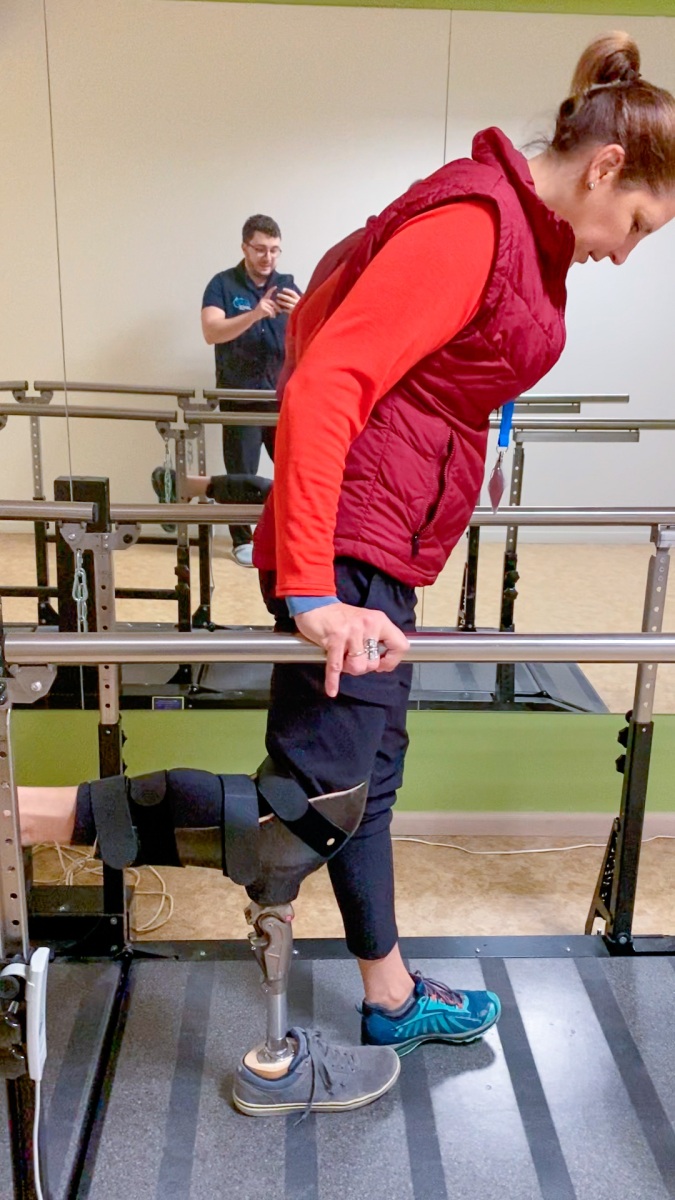
School cannot prepare you for this kind of work – you just have to show up and do it. It had been 20 years since I’d last worked with amputees, so to get me up to speed, Eļdars had me try Vaivari’s mock above-knee prosthesis – a training device for students and therapists unfamiliar with modern prosthetic technology. Ten minutes in that prosthesis made one thing clear: I had vastly underestimated the strength and coordination required to stand – let alone walk – on a prosthetic knee. I have even more respect now for every soldier who shows up and puts in the work.
One patient, Andriy (real name withheld for privacy), was a doctor himself. Both of his legs were amputated above the knee. In fragments of English and Ukrainian, I learned that he had just begun his medical career when war broke out. He had given up a U.S. residency to serve at the front.
“And now…” he said, waving his hands over an empty lap.
One of the most powerful moments of the entire mission was getting Andriy into the pool for aquatic therapy. He hadn’t learned to swim before his injury, and fear cut his first session short. Floating without legs is a completely different experience: it’s the lungs that keep you buoyant, not limbs treading water. I knew my hands had to be strong enough to offer reassurance, but light enough for him to begin trusting himself. The moment I saw joy overcome fear – that was the moment all my reasons for being there crystallized.
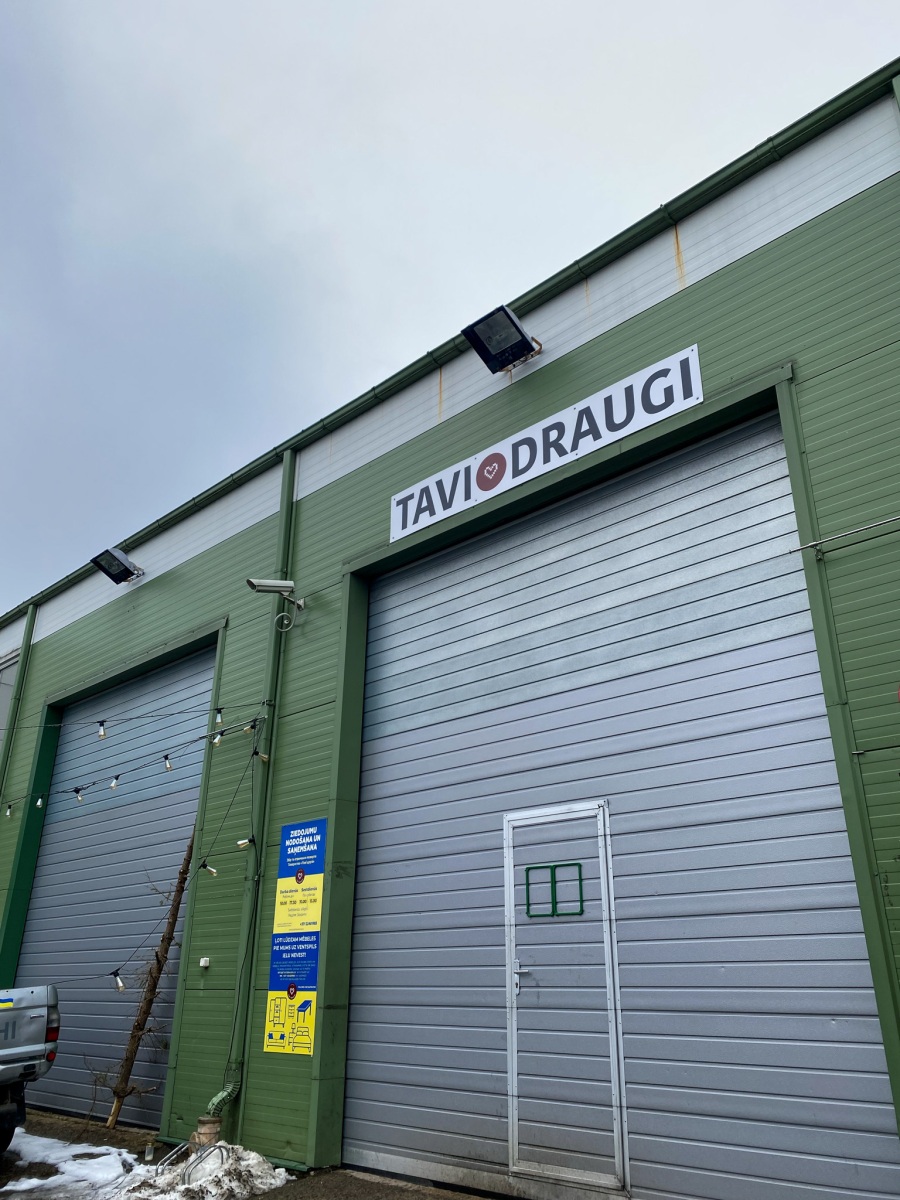
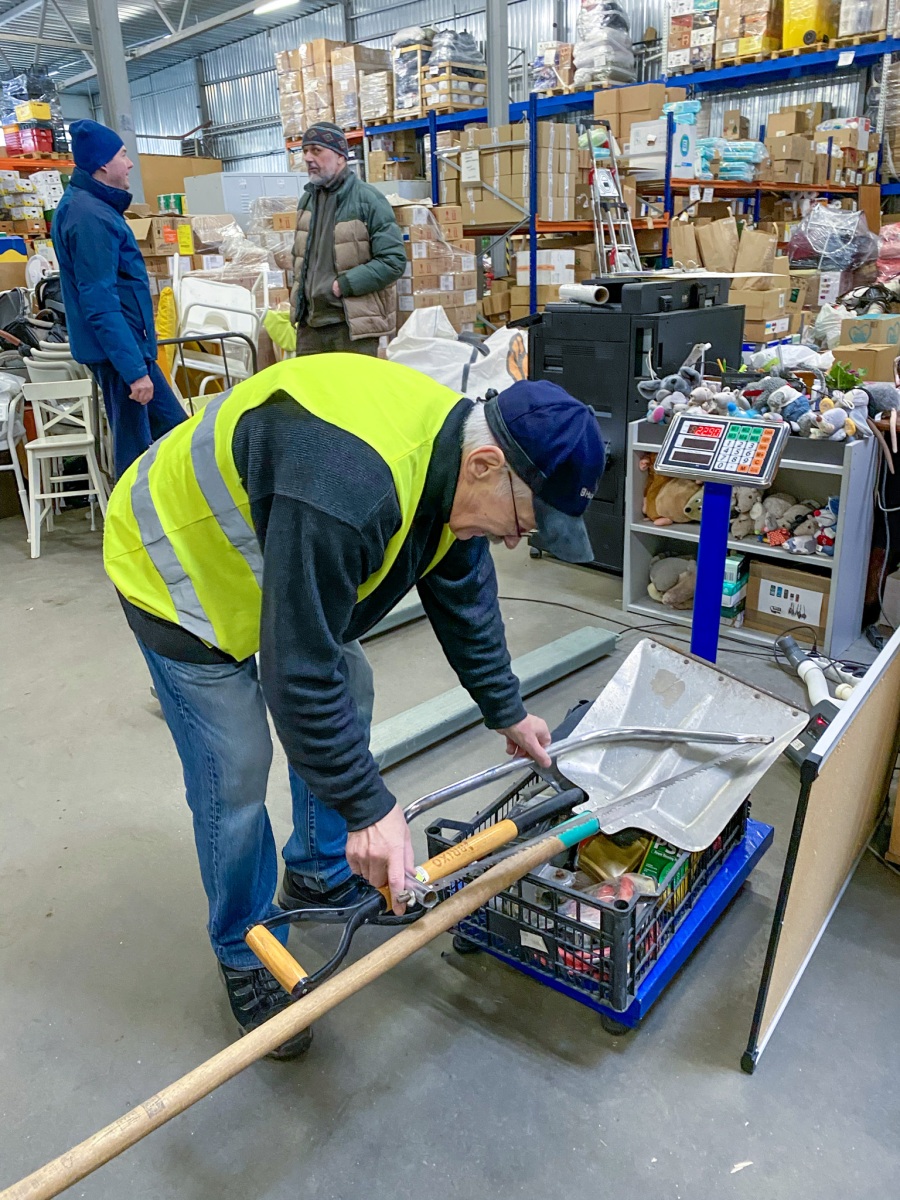
Even my off-hours were full. I reconnected with old friends from the Baltic freedom activism days in response to troubling news from abroad – especially after February 28. By the next morning, we were already delivering shovels and car repair tools – items in high demand on the front lines – to the weekly aid convoy organized by Tavi Draugi.
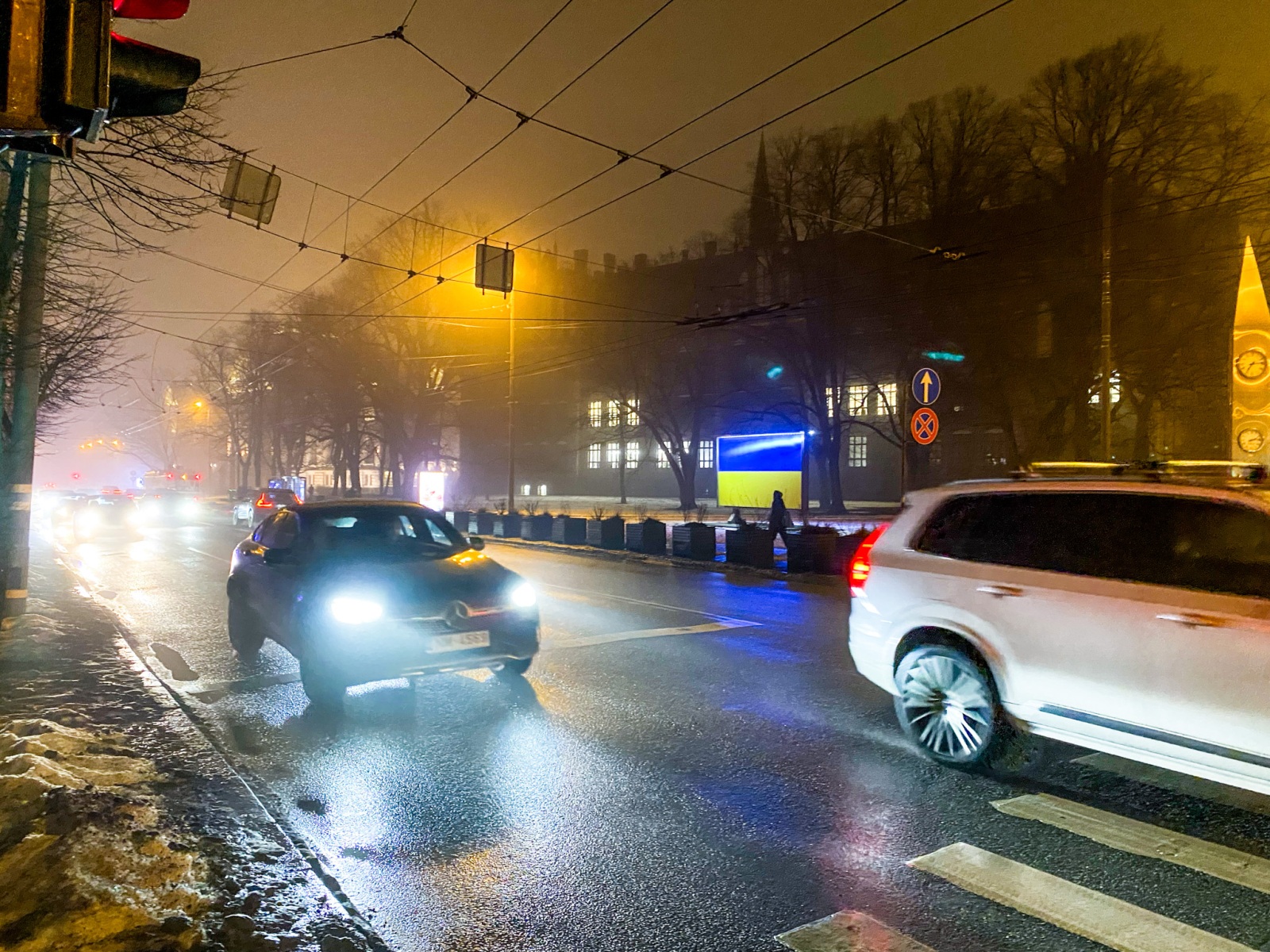
Support for Ukraine permeates every corner of Latvia. Wherever a Latvian flag flies, so do the flags of Ukraine and the European Union. As part of its financial, humanitarian, and military support, the Latvian Foreign Ministry welcomes over 300 Ukrainian soldiers a year and contributes roughly €5,000 per soldier toward their rehabilitation. Greeting my patients that Monday after the 28th, I hoped I was representing the best of both American and Latvian will.
I wish I could show you their faces – their smiles when I entered the room, the determination in their eyes as they pushed to finish an exercise. I wish I could share that energy with you. But I must respect their privacy – and in wartime, even a face can become intelligence in the wrong hands. This is the reality today: even medical staff in Latvia are trained to watch for signs of espionage. So for now, I share what I can – this story.
I am a physical therapist, and this mission was my way of contributing: offering time and skill to support Ukraine’s fight for survival and recovery.
Two weeks is not enough.
But even a short time can be life-changing.
For them. And for me.
Thank you for believing in this mission – especially in uncertain times.
Your support has powered every step.
Power Every Step.
SLAVA UKRAINI!… HEROIAM SLAVA!